
A bright, confident smile is more than cosmetic—it signals health and self-care. If you’ve ever asked how to get white teeth or how to whiten your teeth at home safely, you’re not alone. Teeth discoloration is a common concern, but effective solutions exist that are both safe and practical.
This article is based on current dental guidance from the American Dental Association (ADA), Mayo Clinic, and PubMed research (2026), offering evidence-backed tips, home remedies, and lifestyle strategies that really work.
- What Causes Teeth to Lose Their Whiteness?
- Do Home Teeth Whitening Remedies Really Work?
- Teeth Whitening Tips Dentists Actually Recommend
- Home Remedies for Teeth Whitening
- Foods That Support Natural Whitening
- Common Teeth Whitening Myths
- Teeth Whitening Timeline
- Teeth Whitening for Sensitive Teeth
- When Home Whitening Isn’t Enough
- Practical First-Hand Tips
- Teeth Whitening Comparison Table: Home vs Professional
- FAQs
- Key Takeaways
What Causes Teeth to Lose Their Whiteness?
Before exploring how to whiten teeth, understanding the root causes helps target solutions effectively.
| Cause | How It Discolors Teeth | Notes |
|---|---|---|
| Coffee, tea, red wine | Dark pigments attach to enamel | Rinse after consumption |
| Tobacco | Nicotine and tar stains | Long-term yellowing and tartar buildup |
| Aging | Enamel thins, dentin shows | Natural process, not preventable |
| Medications | Tetracycline or antihistamines | May cause intrinsic stains |
| Excess fluoride | Fluorosis in childhood | Can cause mottled or white streaks |
| Poor oral hygiene | Plaque and tartar buildup | Easily preventable with brushing & flossing |
“Surface stains are easier to remove than intrinsic discoloration, which often requires professional care.”
Do Home Teeth Whitening Remedies Really Work?
Yes—but effectiveness depends on type of stain, enamel health, and consistency. Surface stains respond well to brushing, mild abrasives, and safe bleaching agents. Deep discoloration requires professional interventions.
“Consistency, not intensity, is the secret. Quick fixes rarely produce lasting results.”
Teeth Whitening Tips Dentists Actually Recommend
1. Brush Properly and Regularly
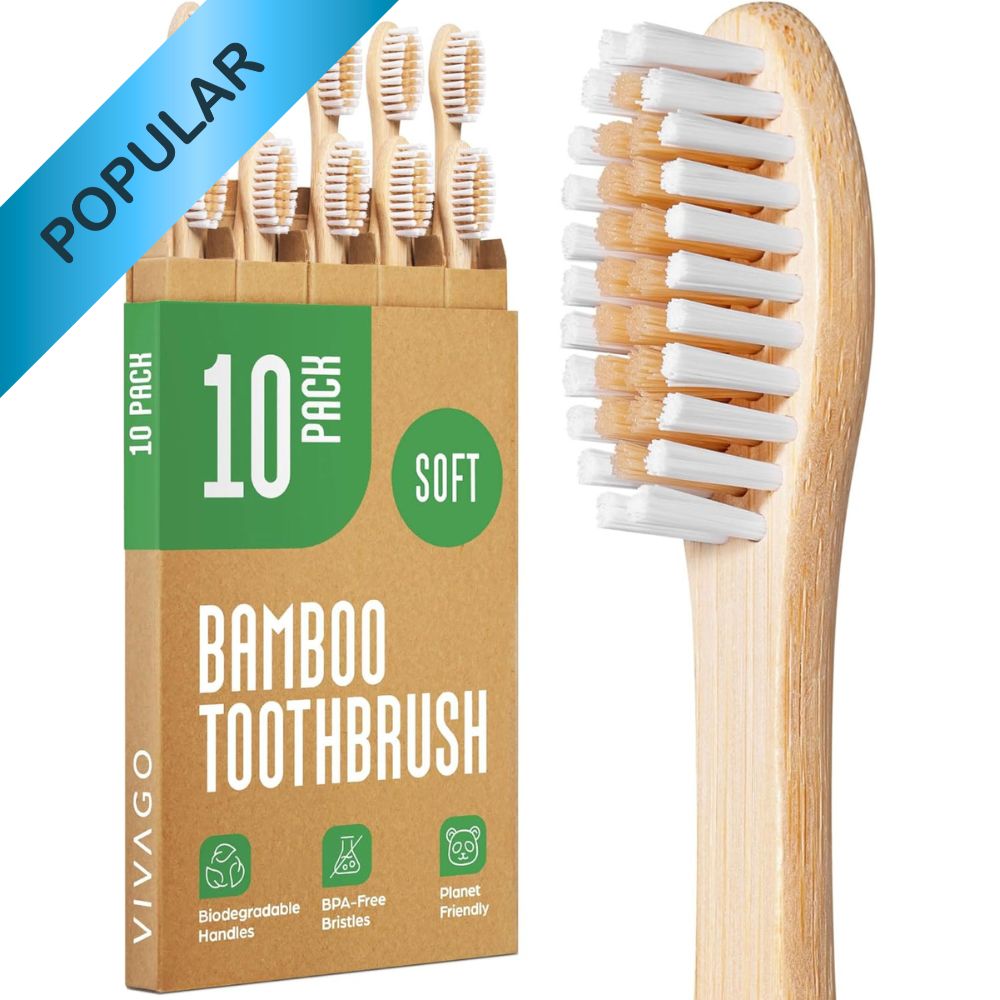
- Use a soft-bristled toothbrush
- Brush for two minutes, twice daily
- Replace brush every 3 months
- Avoid harsh scrubbing to prevent enamel erosion
2. Floss Daily
- Reaches areas between teeth that brushing misses
- Prevents hidden plaque accumulation and staining
3. Rinse After Staining Foods
- Coffee, tea, berries, red wine—rinse with water immediately
- Reduces pigment adherence and enamel discoloration
“Even a quick rinse after meals can reduce surface stains over time.”
Home Remedies for Teeth Whitening
Here’s a detailed look at the most widely used and safe home methods:
Baking Soda
- Mild abrasive to remove surface stains
- Can be combined with water to form a paste
- Use only 1–2 times per week to prevent enamel damage
Coconut Oil Pulling
- Swish 1 tablespoon of coconut oil for 10–15 minutes daily
- Reduces oral bacteria and plaque buildup
- Gradual whitening effect rather than instant bleach
Hydrogen Peroxide (Low Concentration)
- Use a 1–3% solution diluted with water
- Swish or mix with toothpaste for occasional use
- Avoid swallowing; overuse can irritate gums
“Hydrogen peroxide can be effective, but moderation is key. Excess can weaken enamel.”
Foods That Support Natural Whitening
| Food | Benefit |
|---|---|
| Apples & pears | Crunchy texture increases saliva, reduces plaque |
| Carrots & celery | Natural abrasives help scrub teeth surfaces |
| Strawberries | Contain malic acid, mild whitening effect |
| Cheese & yogurt | High calcium content strengthens enamel |
Tip: Include these foods in daily snacks to help maintain whiteness alongside regular oral care.
Common Teeth Whitening Myths
- Lemon juice and vinegar: Highly acidic, erodes enamel
- Activated charcoal daily: Abrasive, can cause irreversible damage
- Salt scrubs: Risky for enamel abrasion
- Overuse of DIY powders: Often temporary results with long-term harm
“Many viral teeth whitening hacks may temporarily brighten teeth but often damage enamel irreversibly.”
Teeth Whitening Timeline
| Method | Expected Timeline |
|---|---|
| Daily oral hygiene | 1–2 weeks |
| Safe home remedies | 2–4 weeks |
| Professional whitening | 1–2 sessions, immediate noticeable results |
Note: Individual results vary depending on enamel thickness, diet, and stain type.
Teeth Whitening for Sensitive Teeth
If you experience tooth sensitivity:
- Use desensitizing toothpaste
- Avoid abrasive home remedies
- Space out whitening attempts
- Consult a dentist if sensitivity persists
“Protecting enamel and gums is critical for safe, long-term whitening results.”
When Home Whitening Isn’t Enough
- Intrinsic stains from medication, trauma, or enamel defects
- Teeth with deep discoloration resistant to brushing or home remedies
Professional options include:
- In-office bleaching treatments
- Custom-fitted whitening trays
- Dental veneers or bonding for severe cases
“A dentist can identify whether stains are surface-level or deeper, guiding the safest whitening plan.”
Practical First-Hand Tips
- Avoid staining beverages or use a straw
- Rinse mouth after meals/snacks
- Chew crunchy vegetables daily
- Brush gently but thoroughly
- Use home remedies in moderation, not daily extremes
Experience insight: Even small consistent habits often yield better results than aggressive, high-risk DIY treatments.
Teeth Whitening Comparison Table: Home vs Professional
| Feature | Home Remedies | Professional Whitening |
|---|---|---|
| Cost | Low | Moderate to High |
| Safety | Safe if used properly | Supervised, safer for sensitive teeth |
| Speed | Gradual (weeks) | Immediate (1–2 sessions) |
| Effectiveness | Surface stains only | Surface + intrinsic stains |
| Maintenance | Ongoing daily habits | Periodic touch-ups recommended |
FAQs
1. How long does it take to see results with home whitening?
Typically 2–4 weeks, depending on consistency, enamel health, and stain type.
2. Can I whiten teeth if I have braces or dental work?
Some home remedies may not affect crowns, fillings, or braces. Professional guidance is recommended.
3. Is coconut oil pulling really effective?
It reduces plaque and may brighten teeth slightly, but results are gradual and mild.
4. Can sensitive teeth still be whitened?
Yes, with desensitizing toothpaste and careful, moderate use of whitening agents.
5. Do teeth whitening strips work better than home remedies?
Strips often produce faster results for surface stains, but may cause sensitivity if overused.
6. Can children use home whitening remedies?
No, children’s teeth are more sensitive; professional guidance is recommended for minors.
This article was reviewed and updated in 2026 to include current ADA recommendations, Mayo Clinic guidance, and the latest research on safe, effective home teeth whitening.
Key Takeaways
- Teeth whitening is most effective when combining oral hygiene, lifestyle changes, and safe home remedies
- Avoid harsh, acidic, or abrasive DIY methods
- Consistency matters more than intensity
- Professional treatment is safest for deep or persistent discoloration
- Small daily habits—rinsing, flossing, eating crunchy fruits and vegetables—can significantly maintain whiteness
- Protect enamel and gums first; aesthetics second
“A naturally brighter smile comes from care, patience, and using safe methods consistently rather than chasing quick fixes.”
Disclaimer: The content provided in this article is for educational and informational purposes only. It does not substitute professional medical advice, diagnosis, or treatment. For guidance specific to your dental condition or recovery, please consult your dentist, oral surgeon, or licensed healthcare provider.












0 Comments